
When the Fluid End Fails, Pressure and Production Are Both at Risk
NNG evaluates fluid ends, identifies wear and damage, and helps determine the most practical repair, rebuilding, exchange or replacement path.
- Inspection & Evaluation
- Repair or Exchange Options
- High-Pressure Applications
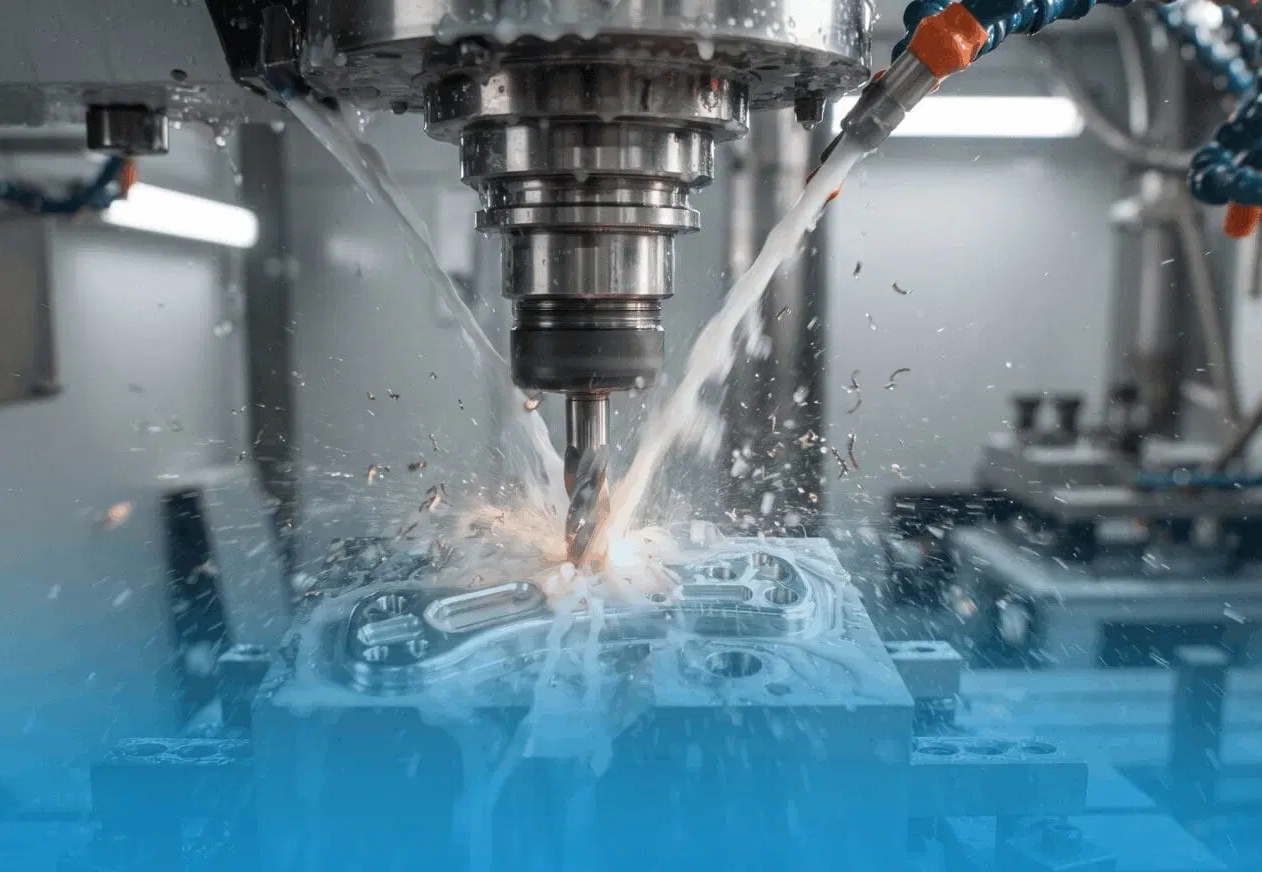
FLUID END INSPECTION | COMPONENT REPAIR | PRECISION MACHINING | PRESSURE-RELATED DAMAGE | EXCHANGE OPTIONS | REPLACEMENT SOURCING
Fluid End Repair, Rebuild & Exchange Services
Fluid ends operate under demanding pressure, cyclic loading and abrasive conditions. Wear or damage within the fluid end can contribute to pressure loss, leakage, reduced pumping performance and unplanned equipment downtime. NNG Industries provides inspection, repair, rebuilding, machining, exchange and replacement support for fluid ends used in high-pressure pump applications. The goal is to evaluate the condition of the fluid end and its critical sealing, flow and pressure-bearing surfaces before recommending a service path. Depending on the unit, damage and operating requirements, the right solution may include localized repair, component replacement, precision machining, exchange or complete replacement.
Inspection & Failure Evaluation
Evaluation of visible wear, cracking, erosion, washout, corrosion and damage affecting pressure integrity or performance.
Fluid End Repair
Repair support for qualifying fluid-end bodies and related components when the condition and repair economics support continued service.
Precision Machining
Machining support for worn or damaged sealing surfaces, bores, threads and related component interfaces.
Valve & Seat Area Service
Inspection and restoration support for valve, seat and sealing areas where applicable.
Stud, Thread & Connection Repair
Evaluation and repair support for damaged threads, studs, plugs and related connection points.
Exchange & Replacement Options
Exchange-unit evaluation and replacement sourcing when repair is not practical or turnaround requirements favor another path.
Receive → Clean → Inspect → Approve → Repair or Exchange → Verify
Evaluate the Damage Before Replacing the Entire Unit
Fluid-end failures may involve more than one worn component. Erosion, cracking, damaged bores, worn threads and sealing-surface damage can affect both performance and pressure integrity. NNG evaluates the condition of the unit and available repair, exchange and replacement options so customers can make a more informed decision based on risk, turnaround and operating requirements.
Restore pressure-bearing surfaces and dependable pump performance. Repair, exchange and replacement options based on the actual unit.

Fluid-End Components We Service
NNG supports fluid ends and related components used in demanding high-pressure pump applications. Service availability depends on the manufacturer, model, material, condition, operating history and available technical information.
Support for Current and Legacy Equipment
NNG may assist with older or difficult-to-source fluid ends when repairable components, drawings, dimensional information or qualified replacement options remain available.
Project Evaluation
Depending on the request, NNG may review equipment information, pressure requirements, operating hours, failure history, inspection results, material specifications and photos.
Fluid-End Assemblies
- Triplex pump fluid ends
- Quintuplex pump fluid ends
- High-pressure pump blocks
- Plunger-pump fluid ends
- Reciprocating pump fluid ends
Related Components
- Valves
- Seats
- Plungers
- Packing assemblies
- Discharge flanges
- Suction covers
- Plugs and retainers
Areas Evaluated
- Valve and seat bores
- Packing bores
- Plunger bores
- Threads and studs
- Sealing surfaces
- Fluid passages
- Connection points
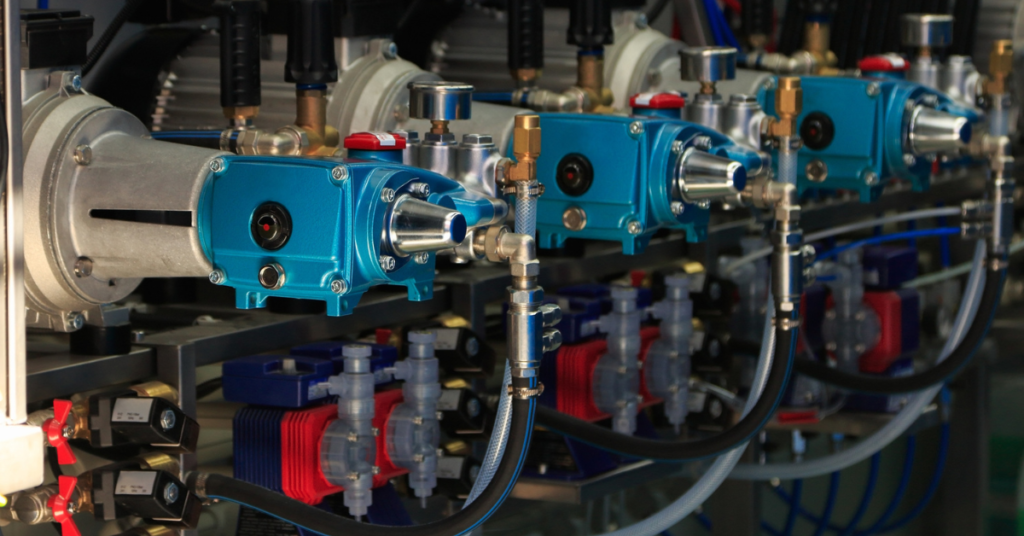
The Right Path...
The right option depends on the extent of wear or damage, pressure requirements, service history, replacement availability and production priorities.
Repair
Correct qualifying localized wear or damage when the fluid end remains suitable for continued service.
Rebuild
Restore the assembly through disassembly, component replacement, machining and related service where applicable.
Exchange
Replace
Source a new, rebuilt, used, OEM or qualified replacement unit when repair is not appropriate.
FLUID END SERVICE QUESTIONS
What Customers Need to Know
Answers to common questions about evaluation, testing, exchange availability and what to send with a service request.
What information should I provide?
Send the pump manufacturer and model, fluid-end manufacturer, part or serial number, pressure rating, material, operating symptoms, photos, service history and required timing.
What fluid-end problems can NNG evaluate?
NNG may evaluate erosion, washout, corrosion, damaged sealing surfaces, worn bores, thread damage, leakage and other visible or measurable wear.
Can a damaged fluid end be repaired?
That depends on the location and extent of damage, material, pressure requirements, repair history and applicable service standards.
Are exchange fluid ends available?
Exchange availability depends on the manufacturer, model, configuration, material and current inventory. Core-return requirements may apply.
Can NNG support obsolete fluid ends?
Support may be possible when the unit can be identified, measured, repaired or matched to an available replacement.
What testing is performed after repair?
Testing and inspection depend on the repair scope and application. Brandon should confirm whether NNG performs dimensional inspection, pressure testing, nondestructive testing or other documented verification.
How long does fluid-end service take?
Timing depends on the inspection findings, machining scope, parts availability, exchange inventory and approval timing.
Need Fluid End Repair or Exchange Support?
Send the pump and fluid-end information, pressure rating, material, symptoms, photos, repair history and required timing. NNG will review the request and help identify the most practical repair, exchange or replacement path.